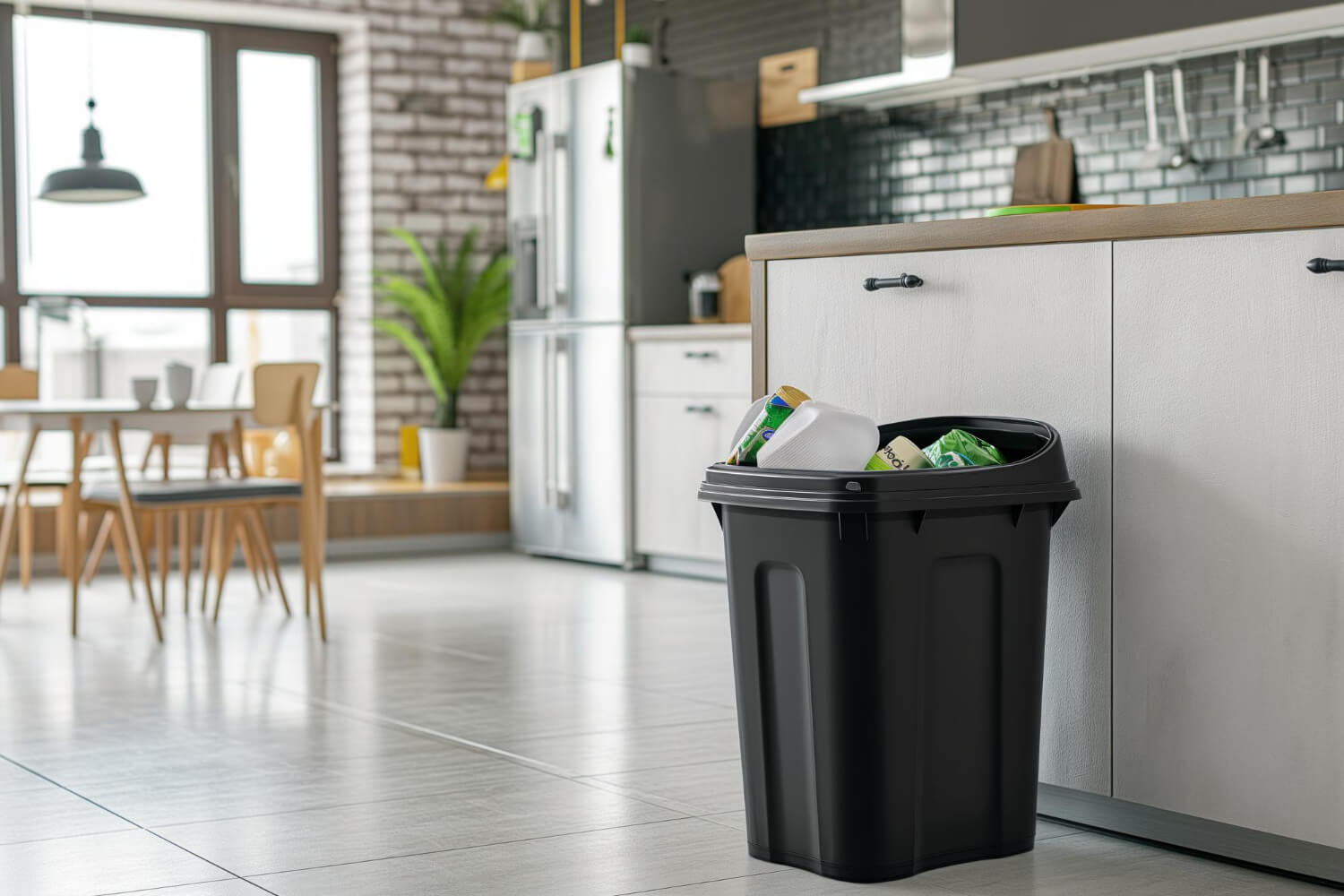
When Waste Odor Becomes a Community Problem
Every morning in local markets or municipal waste stations,
the smell of rotting waste and decomposing food fills the air.
It doesn’t only cause discomfort — it also affects public health, tourism, and city image.
Waste odor = a sign of community well-being that needs attention.
Many municipalities attempt to solve the issue by spraying perfume-based deodorizers.
But these products merely mask odors rather than eliminate them —
and often add cost, chemical exposure, and environmental waste.
So the real question is:
How can municipalities manage waste odors in a sustainable, long-term way?
🌿 Introducing “Zero Odor Zone” by Cleena
The Zero Odor Zone is Cleena’s framework for natural waste-odor management.
It doesn’t just reduce smells — it targets odor generation at the source.
Developed by the Cleena Pro and Cleena Waste teams,
this solution was designed specifically for municipalities, local markets,
and community waste collection areas that need a reliable, non-chemical method.
No perfume. No new budget. Just smarter waste management.
By applying eco-safe materials and biological processes,
Cleena helps transform smelly waste zones into cleaner, odor-free community spaces.
🔍 Where Do Waste Odors Come From?
Most foul waste smells originate from the decomposition of organic matter —
such as leftover food, vegetables, and animal waste.
During decomposition, bacteria release gases like:
- Ammonia (NH₃) – sharp, pungent urine-like odor
- Hydrogen Sulfide (H₂S) – rotten-egg smell
- Volatile Organic Compounds (VOCs) – fermentation odors from organic decay
Without a proper system, these gases disperse into the air,
causing both environmental pollution and respiratory health issues among residents.
🧪 Cleena Pro / Cleena Waste — Natural Science in Action
Cleena’s approach to waste odor control focuses on neutralizing odor at its source,
using a synergistic mix of natural minerals and probiotics.
📌 Core Ingredients:
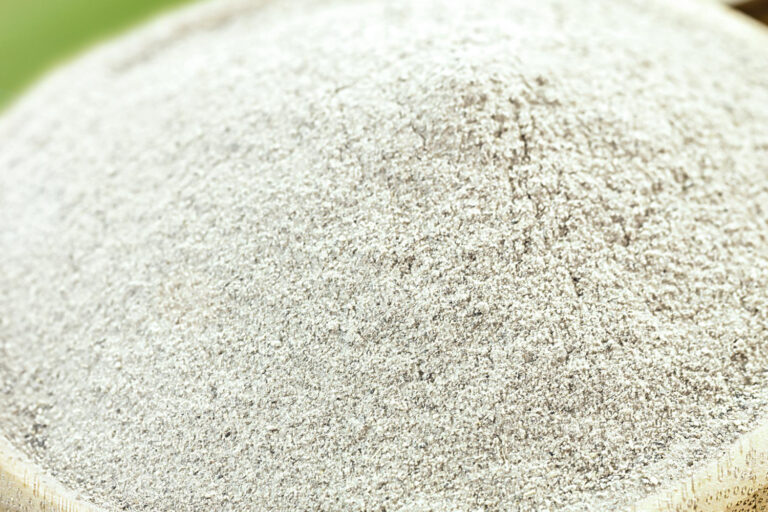
- Diatomaceous Earth (DE) and Zeolite → absorb moisture and trap odor gases.
- Bentonite → absorbs leachate helping waste piles dry faster.
- Bacillus / Lactobacillus probiotics → accelerate organic decomposition, reducing odor buildup.
- No fragrance added → safe for humans animals and the environment.
Proven Results (from municipal field tests):
- Odor reduction by 85–90% within 3 hours
- Noticeable drop in flies and rodents
- Cleaner, drier market areas within 7 days
🌎 Zero Odor Zone: Start Small, Scale Smart
Cleena recommends municipalities follow a simple three-step plan
to begin implementing the Zero Odor Zone system:
1️⃣ Identify Odor Hotspots
Pinpoint high-impact areas such as waste collection sites, markets, and composting zones.
2️⃣ Apply Cleena Waste Powder or Spray
- Use the dry-sprinkle method once or twice daily.
- Or mix 1 kg Cleena Waste with 20 L of water for wide-area spraying.
3️⃣ Track & Communicate Results
- Monitor odor reduction, pest activity, and community feedback.
- Use data for ESG or CSR reporting to show measurable community impact.
“Managing waste odor isn’t just about cleaning the air —
it’s about building trust that your city truly cares about its people.”
💚 Sustainability through ESG: Zero Odor, Maximum Impact
ESG Pillar | Real-World Impact |
|---|
E: Environment | Reduced chemical use, odor-free air, cleaner surroundings |
S: Social | Improved public satisfaction and reduced complaints |
G: Governance | Transparent municipal management with measurable outcomes |
From a CSR (Corporate Social Responsibility) perspective,
private organizations can also implement Cleena Waste systems
to support nearby communities —
turning environmental challenges into shared-impact opportunities.“CSR doesn’t always mean spending more — it means spending smarter, sustainably.”
🌱 Real Success Stories: From Pilot to Policy
In 2024, the municipality of Nakhon Phanom, Thailand,
launched a pilot project called “Odor-Free Fresh Market.”
After using Cleena Waste for seven days:
• Odor from organic waste dropped by over 90%
• The market became drier and cleaner
• Residents began sorting organic waste more effectively
The results were so positive that the project expanded
into a broader “Clean and Odor-Free City” initiative the following year.
🔚 Conclusion: A Cleaner Future Starts with a Fresh Perspective
Waste odor management shouldn’t just mean “spraying perfume.”
It’s about caring for the community and ensuring public health.
By adopting Cleena Pro and Cleena Waste under the Zero Odor Zone model,
municipalities can build cleaner, healthier, and more sustainable cities —
without increasing budget or harming the environment.
🌿 “A city that smells clean is a city where people want to live.”
 English